
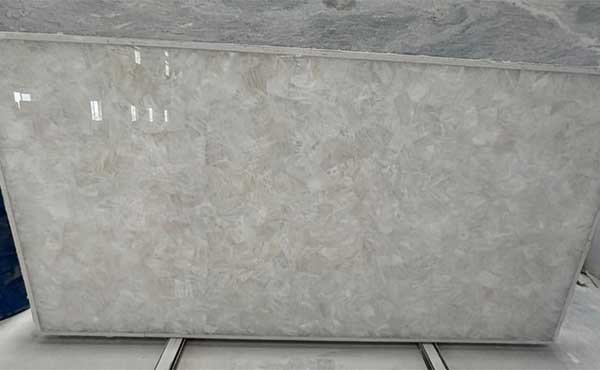
Marble vs. Quartz vs. Glass: Why Marble Table Tops are Making a Comeback in Indian Dining Rooms
For the past decade, Indian homeowners were obsessed with “set it and forget it” materials. As we moved into high-rise apartments and modern villas, practicality was king. Quartz became the go-to for its indestructible nature, and Glass was the darling of small, compact spaces.
However, a new era of Quiet Luxury has arrived.
Indian families are moving away from factory-made perfection and back toward artisanal authenticity. The dining table is no longer just a surface for meals; it’s the architectural anchor of the home. This shift is the primary reason Marble is making a massive comeback.
Here is the definitive guide to the “Dining Table War,” how they survive the Indian kitchen, and how the art of marble is expanding beyond the table.
Marble
The King of “Quiet Luxury”
In 2026, the trend isn’t just “Marble”—it’s Imported Italian and Exotic Indian Marble (like Makrana or Ambaji) used as a statement piece.
Why It’s Making a Comeback:
- Unique Identity: In an era of mass-produced furniture, no two marble slabs are the same. Each table tells a geological story through its veining.
- Thermal Mass: Marble is naturally cool. In India's tropical climate, sitting at a marble table feels physically refreshing.
- Resale Value: A high-quality marble dining set is considered an asset. Real estate data shows that homes with natural stone features can see a 3–5% increase in perceived value.
- The "Patina" Mindset: Modern designers like Leanne Ford have influenced a "lived-in" aesthetic. Homeowners now embrace the slight etching and "age" of marble as character rather than a defect.
The “Problem” & The Solution:
The Problem: Marble is porous. A drop of beetroot juice or turmeric (haldi) can leave a permanent stain if not cleaned in minutes.
The 2026 Solution: High-performance Nano-Sealers and Surface Protection Films (SPF). Modern technology now allows us to coat marble with an invisible, 100% stain-proof layer that doesn’t kill the stone’s natural luster.
Quartz
The “Indestructible” Workhorse
Quartz is the engineered superstar. Made of 90-95% crushed natural stone and resin, it is the most practical choice for a high-traffic Indian household.
Why People Choose It:
- Zero Porosity: Unlike marble, quartz won't absorb spices or oils. You can leave a lemon wedge on it overnight without a panic attack.
- Consistency: If you want a specific look you saw in a catalog, quartz delivers it perfectly. There are no "surprises" in the grain.
- Durability: It sits at a 7 on the Mohs scale (Marble is a 3), making it incredibly scratch-resistant.
- The "Patina" Mindset: Modern designers like Leanne Ford have influenced a "lived-in" aesthetic. Homeowners now embrace the slight etching and "age" of marble as character rather than a defect.
The Downside:
- Heat Sensitivity: Because it contains resin, placing a hot handi directly from the stove onto a quartz surface can cause permanent "burn" rings or cracking.
- Lack of "Soul": To the trained eye, quartz can look "printed" or repetitive compared to the depth of natural stone.
Marble
The Space-Saver’s Secret Weapon
Dining table glass is “tempered” or toughened through extreme heating and rapid cooling, altering its molecular structure.
The Pros & Cons:
- The Pros: It creates visual transparency, making tight spaces feel larger. It is completely impervious to stains and acids.
- The Cons: The tensile strength is focused on the center. The edges remain highly vulnerable; a sharp tap with a heavy object on the rim can cause the entire sheet to shatter.
Direct Comparison: 2026 Edition
| Feature | Marble (Natural Stone) | Quartz (Engineered) | Glass (Tempered) |
|---|---|---|---|
| Aesthetic | One-of-a-kind, Luxury | Uniform, Modern | Sleek, Minimalist |
| Durability | High (Heavy) | Highest (Scratch-proof) | Moderate (Chipping risk) |
| Stain Resistance | Low (Porous) | High (Non-porous) | High |
| Heat Resistance | High (Natural) | Moderate (Resin based) | Moderate |
| Maintenance | High (Needs Sealing) | Low (Soap & Water) | Low (Fingerprints) |
| Best For | Luxury / Formal Dining | Daily / Family Use | Small / Compact Spaces |
The 7-Point Indian Kitchen Stress Test
Indian cooking is unapologetically tough on surfaces. Here is how each material performs against the realities of a bustling home.
| The Stress Test | Marble | Quartz | Glass |
|---|---|---|---|
| 1. The Haldi (Stain) Test | Fails If unsealed. Needs wiping. | Passes Wipes clean instantly. | Passes Impervious to color. |
| 2. The Hot Handi (Heat) Test | Passes Naturally heat resistant. | Fails Resin can burn/crack. | Moderate Extreme heat can shatter. |
| 3. The Nimbu (Acid) Test | Fails Etches on contact. | Passes Resin protects it. | Passes Does not react. |
| 4. The Chhuri (Scratch) Test | Moderate Scratches easily (Mohs 3). | Passes Highly scratch-resistant. | Moderate Shows micro-scratches. |
| 5. The Heavy Impact Test | Moderate High resistance. Might chip. | Passes Highest resistance. | Fails Edges are highly vulnerable. |
| 6. The Moisture Test | Fails Absorbs if unsealed. | Passes Waterproof. | Passes Waterproof. |
| 7. The Cleaning Effort | High Needs pH-neutral cleaners. | Passes Soap and water fine. | Low Requires daily wiping. |
The Maintenance Myth
The biggest barrier to natural stone has always been maintenance. But today, homeowners are equipping imported Italian and exotic Indian marble with modern solutions.
- Preventing the Turmeric/Oil Stain: Instead of endless scrubbing, modern households apply a Penetrating Nano-Sealer every 12 to 18 months. This invisible barrier fills the microscopic pores of the marble, giving you a safe window to wipe away spills before they penetrate the stone.
- Hiding Scratches: Moving away from high-gloss polishes, designers are opting for Honed or Leathered finishes. A matte (honed) finish hides minor scratches and etching beautifully, giving the table a sophisticated, lived-in patina.
The Craftsmanship Comeback: From Tables to Floors
The resurgence of marble isn’t just about plain, monolithic slabs. Homeowners are embracing bespoke, artisanal details that mass-produced quartz simply cannot replicate.
This is where the ancient art of Pietra Dura (Marble Inlay) enters the modern dining room. By embedding semi-precious stones like lapis lazuli, malachite, or mother-of-pearl into a solid marble tabletop, the dining table transforms into a piece of heirloom artwork.
The Grand Transition: If a custom marble inlay table is the crown jewel of a dining room, marble inlay flooring is the magnificent canvas of the entire home.
Homeowners who fall in love with the intricate floral or geometric patterns of an inlay dining table are increasingly carrying that same breathtaking craftsmanship to their floors. A bespoke marble inlay medallion in your grand foyer, or a delicate inlay border framing your living room, elevates a house into a luxury estate. It is the ultimate expression of customized, architectural beauty, an art form that specialized studios like Attari Marble Art have mastered for generations.
When you choose marble inlay, whether for the table where your family gathers or the floors they walk upon, you are investing in a legacy that outlasts passing design trends.
Conclusion: Which Should You Choose?
Ultimately, the right material depends entirely on your lifestyle:
Choose Marble If:
You view your home as a sanctuary of art and craftsmanship. You want a unique centerpiece, perhaps enhanced with bespoke inlay that ages beautifully with your family.
Choose Quartz If:
You have a high-traffic home with kids doing homework, messy experiments, and rushed breakfasts. You need a utilitarian surface that works hard.
Choose Glass If:
You live in a compact apartment and want to maintain an airy, open-concept feel without visually cluttering the space.
